
THIRD NATIONAL CONFERENCE ON WILDLIFE MANAGEMENT AND CONSERVATION
8 to 11 September 2026
CENTRO CULTURAL UNIVERSITARIO BICENTENARIO SAN LUIS POTOSÍ, S.L.P.
Meeting of professionals, managers, students and the general public interested in the management and conservation of wildlife
Starts in


PLENARY SPEAKERS
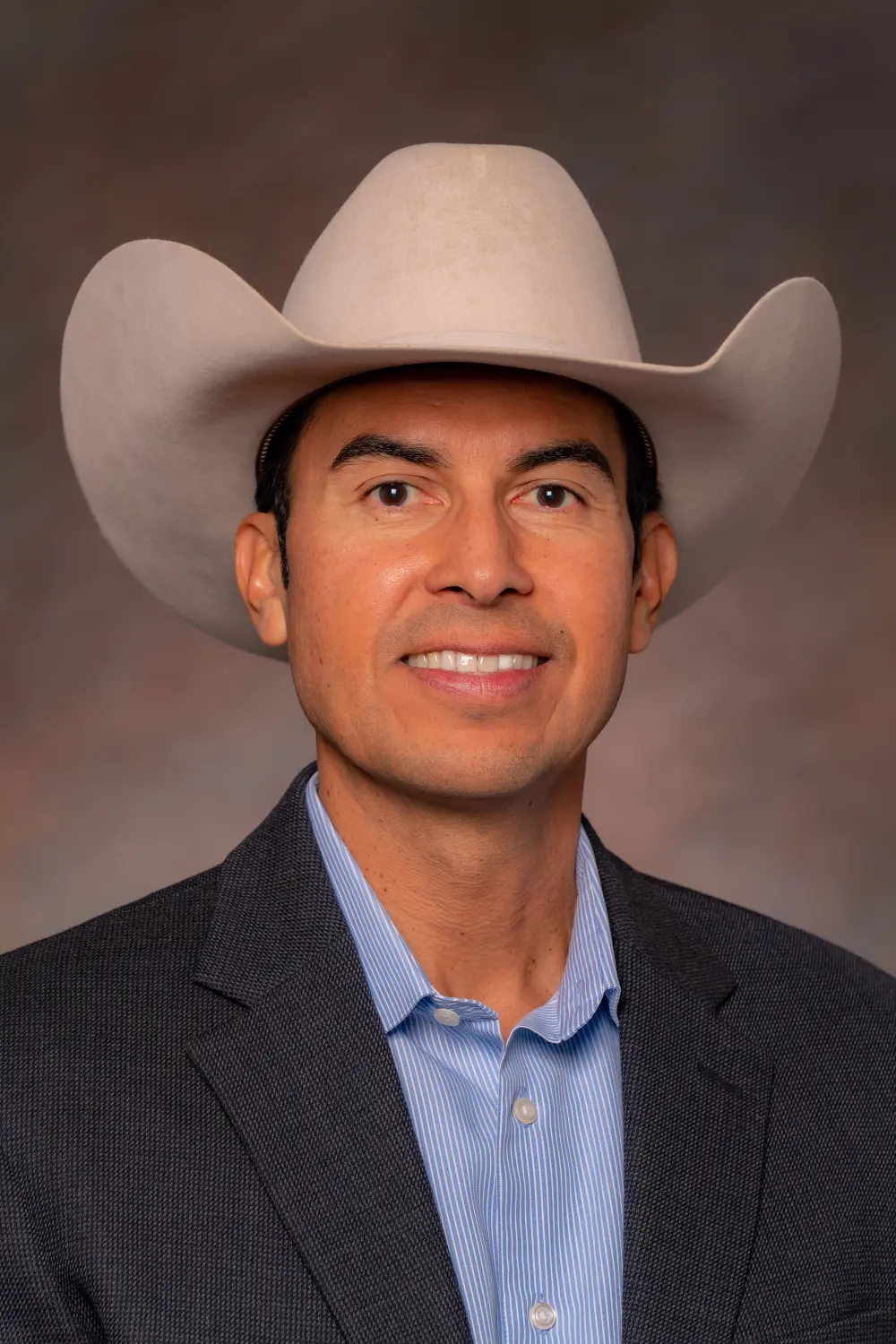
Dr. Fidel Hernández
Professor A changing world: where will our future wildlife management and conservation professionals come from?.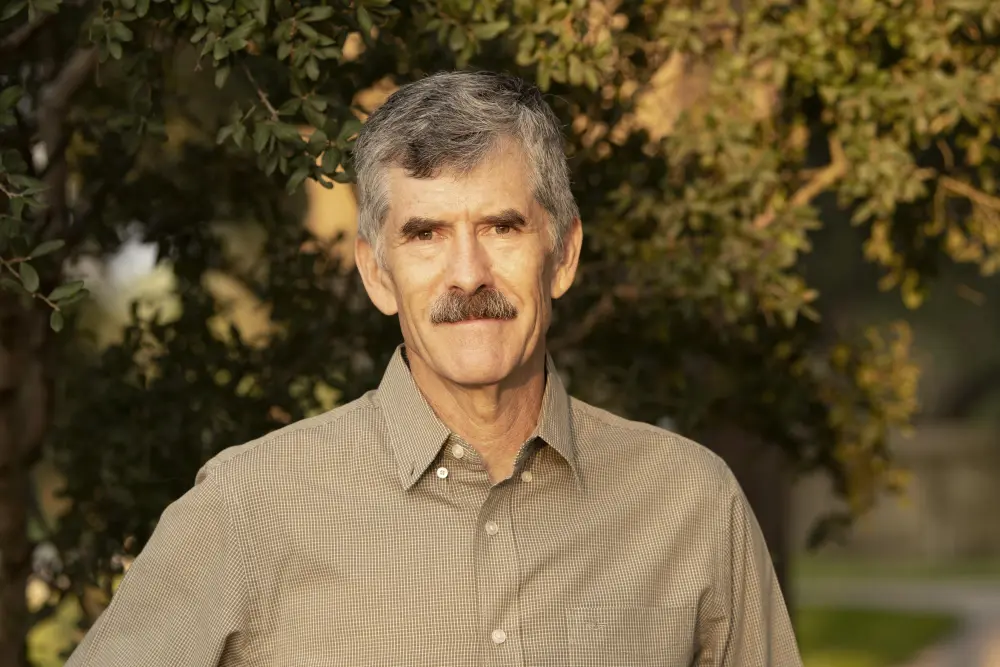
Dr. David Hewitt
Professor A Public-Private Partnership for Addressing Conservation Along the Border.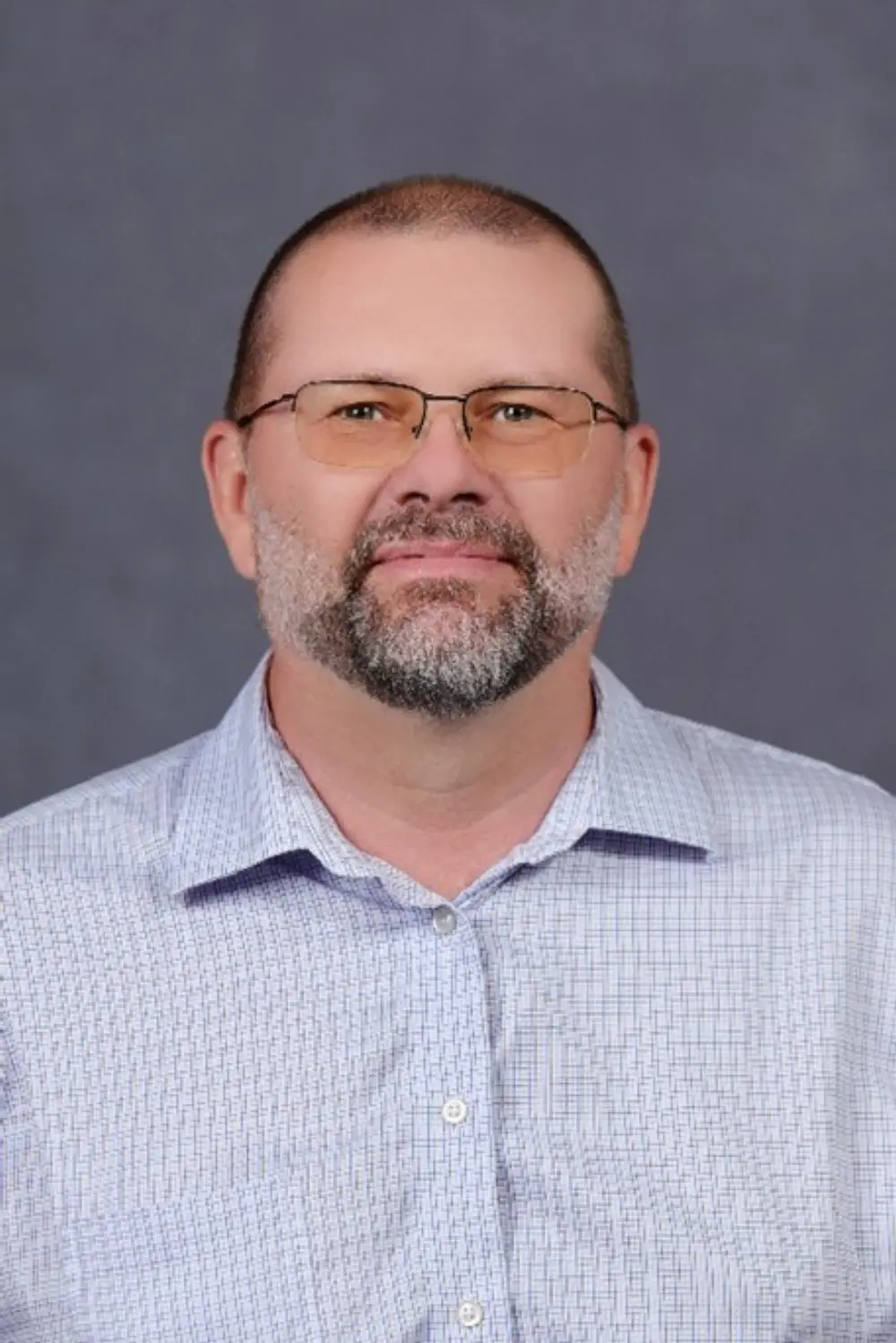
Dr. Randy W. DeYoung
ProfessorInsights into the mating system and mating strategies of white-tailed deer.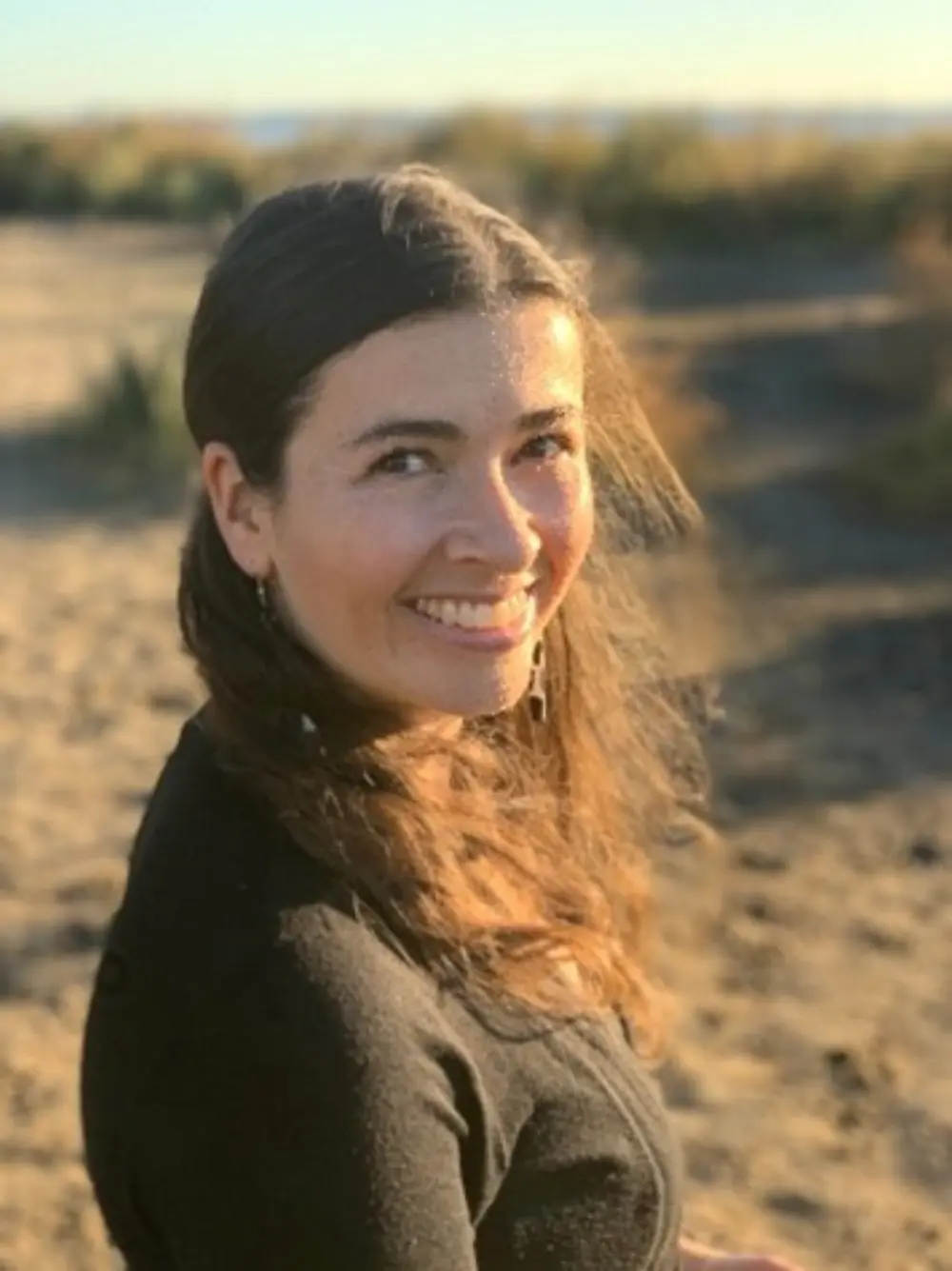
Dr. Lisanne Petracca
ProfessorOpportunities and Challenges for Transboundary Conservation of Ocelots and Pumas.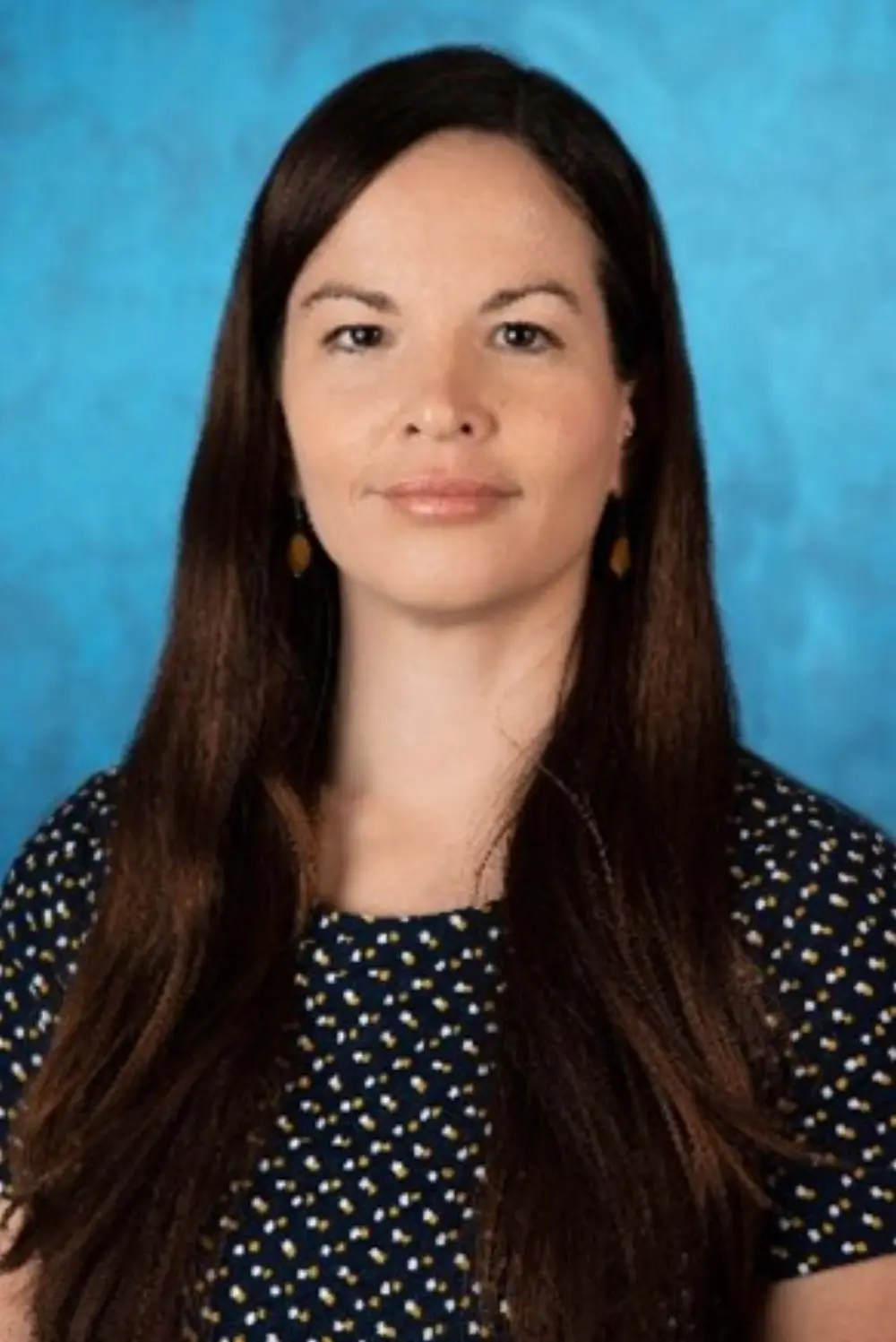
Dr. Jennifer Smith
ProfessorSpace use, habitat selection, and harvest probability of White-winged Doves breeding across an urban gradient.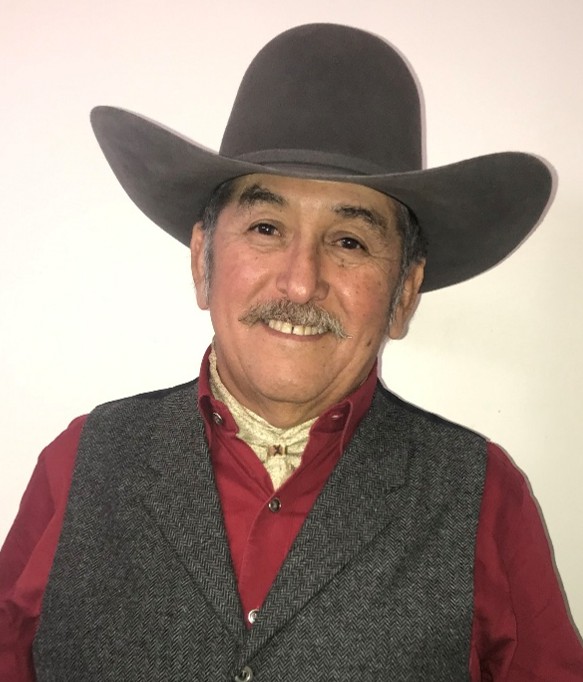
Dr. Poncho Ortega
ProfessorCattle grazing and its effects on wildlife.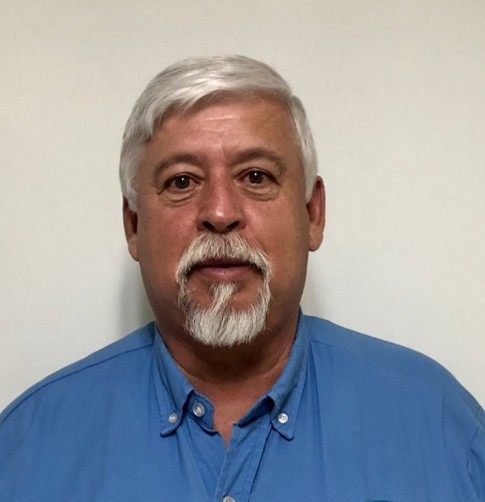
Dr. Alberto Lafón Terrazas
ProfessorWildlife Administration in Mexico through the UMAS System.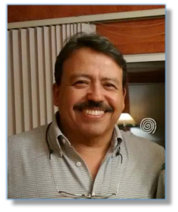
Dr. Carlos Hugo Alcalá Galván
ProfessorEl berrendo y el venado bura en el Desierto Sonorense.PRE-CONGRESS COURSES
September 8, 2026
Contact information: Dr. Luis Antonio Tarango Arámbula - 01152 492 492 58 43; ltarango@colpos.mx
INTRODUCTION TO SYSTEMS ANALYSIS AND SIMULATION IN WILDLIFE MANAGEMENT
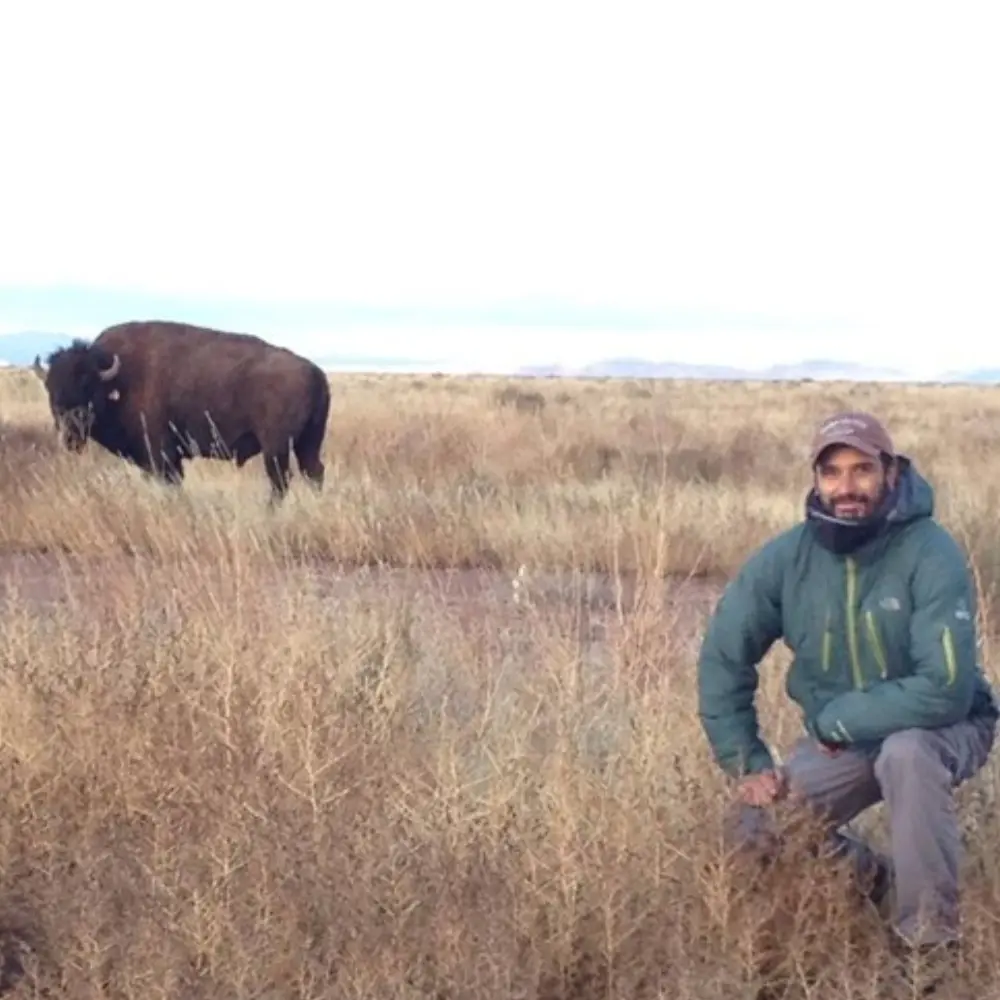
Dr. Martín Emilio Pereda Solís
Dr. Martín Emilio Pereda Solís is a Veterinarian and Full-Time Professor-Researcher at the Juárez University of the State of Durango (UJED). He holds a Masters and a Doctorate in Science from the Postgraduate College and is a member of the National System of Researchers (SNII Level I). His academic work focuses on the ecology and conservation of wildlife, animal health, and the analysis of ecological systems applied to natural resource management. He has conducted research on grassland birds, ecotoxicology, and population dynamics, integrating modeling and simulation tools to understand the interaction between species, habitat, and environmental factors. As a professor and researcher, he has taught courses in scientific methodology, systems analysis, and ecological modeling in undergraduate and graduate programs. His experience combines fieldwork with the use of analytical tools for decision-making in the management and conservation of wildlife. In this course, Dr. Pereda shares his experience in using systems analysis and simulation as tools to understand the complexity of ecological systems and to support the planning and sustainable management of wildlife populations.
 Recovery fee: $900 (Mexican pesos)
IDENTIFICATION, PREDATION AND WILDLIFE PREDATORS: TECHNIQUES AND FIELD EXPERIENCES
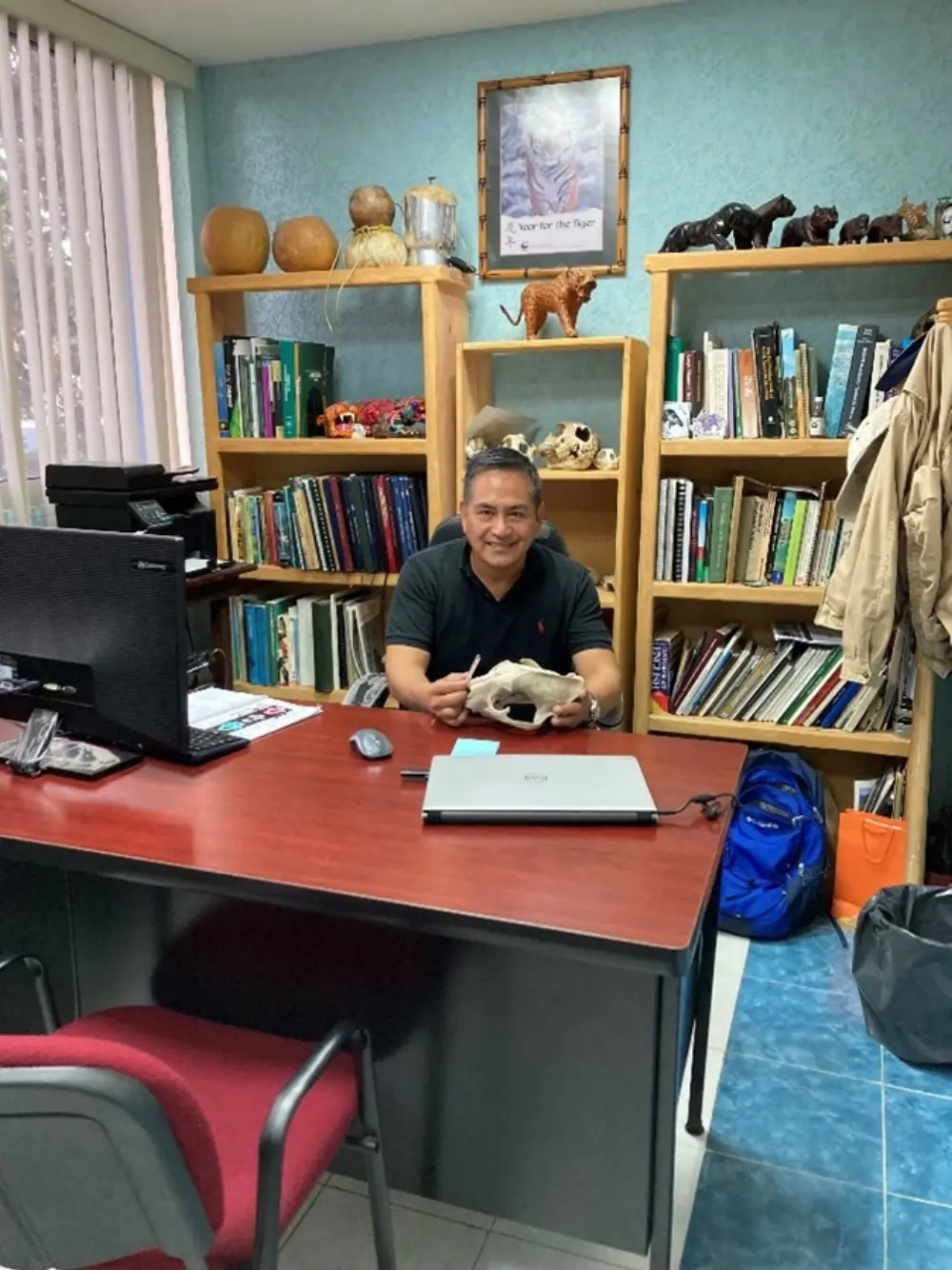
Dr. Octavio César Rosas Rosas
Dr. Octavio César Rosas Rosas is originally from Tecamachalco, Puebla. He graduated with a degree in Biology from the Faculty of Biological Sciences at the Autonomous University of Nuevo León (UANL) in 1996. He earned his Masters degree in Wildlife Science and his PhD in Wildlife Ecology from New Mexico State University, Las Cruces, NM, USA (1999-2005). Dr. Octavio is a Full Professor and Researcher at the Postgraduate College (CP), San Luis Potosí Campus, where he has worked for 21 years. He served as Director of Sustainable Wildlife Management for the government of the state of San Luis Potosí (2007-2009). Since 2012, he has been on a research stay at the CPs Puebla Campus, working on the national project The Jaguar in the Sierra Madre Oriental Ecological Corridor and the opening of a new postgraduate program. Dr. Rosas Rosas has 100 scientific publications in indexed national and international journals and 1,675 citations to his work. He has participated in the training of 42 undergraduate, masters, and doctoral students as a thesis advisor and consultant.
 Recovery fee: $900 (Mexican pesos)
TECHNIQUES APPLIED TO THE MONITORING AND ESTIMATION OF WILDLIFE POPULATIONS
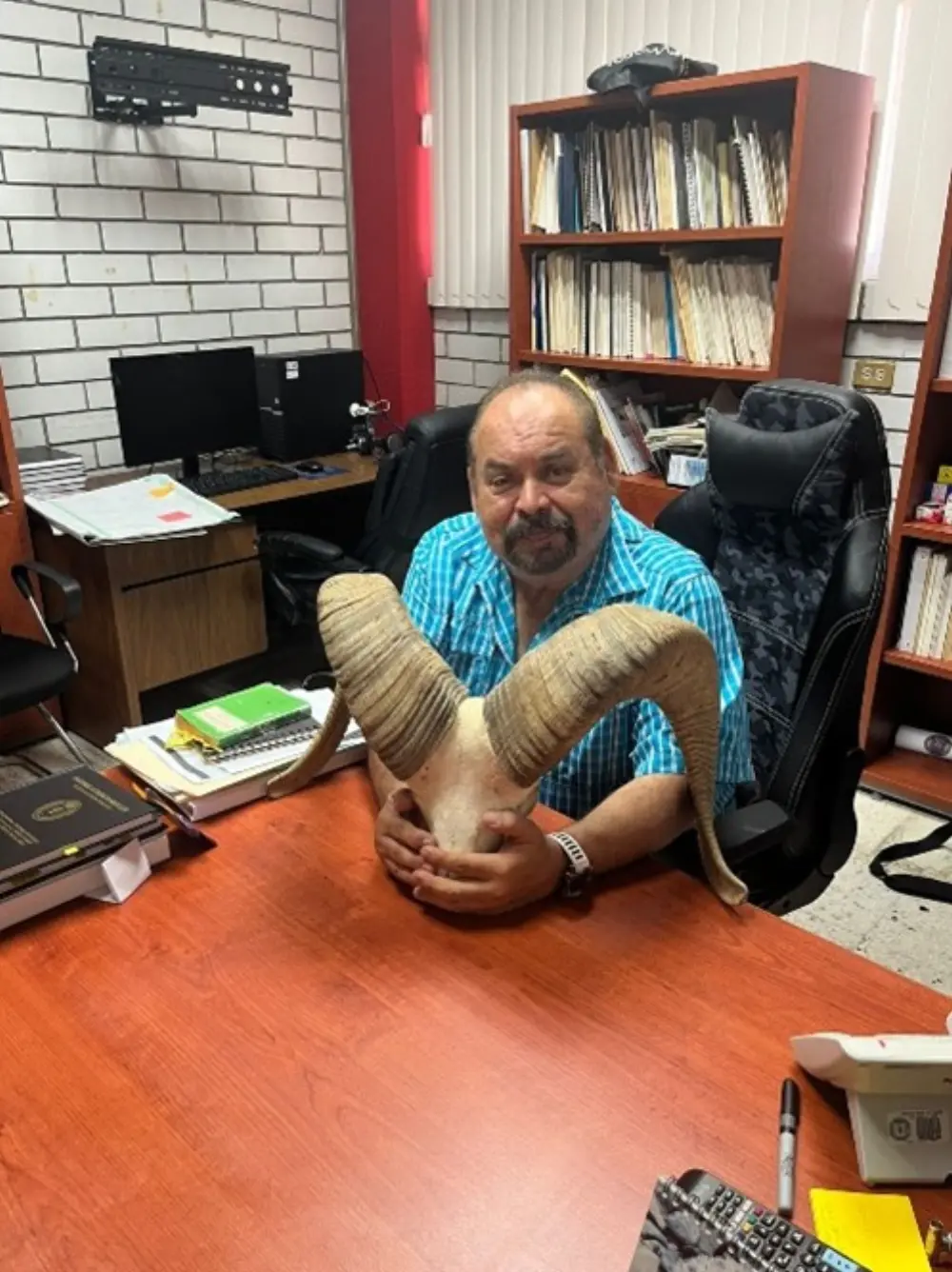
Dr. Fernando Noel González Saldívar
Dr. Fernando González is a biologist, graduated from the Faculty of Biological Sciences at the Autonomous University of Nuevo León (UANL) in 1982. He earned his Masters degree in Natural Resource Management from the Institute of Wildlife and Hunting Knowledge at the Faculty of Forest Sciences of Ludwig-Maximilian University in Munich, Germany (1983-1985). He received his PhD in Wildlife Management from the Faculty of Biology at Ludwig-Maximilian University (1987-1990). Dr. González is a Full Professor and Researcher (Level C) at the Faculty of Forest Sciences of the UANL in Linares, Nuevo León. He completed a postdoctoral fellowship at CIBNOR-BCS, conducting research on bighorn sheep in the Sierra La Giganta and pronghorn in the Vizcaíno Desert in Baja California Sur (1998-2000). He collaborated with the federal government as Director of Management, Monitoring, and Projects at the Wildlife Directorate of SEMARNAT (2001-2002). In 2004, he participated in a project to assess bighorn sheep (Ovis canadensis) populations using helicopter monitoring in the states of Sonora, Baja California, and Baja California Sur, in collaboration with AGADES-Sonora and the DGVS-SEMARNAT. He is a member of the National System of Researchers (SNI) at Level I. Dr. González has over 70 national and international scientific publications. He has mentored and advised more than 80 undergraduate, masters, and doctoral students.
 Recovery fee: $900 (Mexican pesos)
BOOK PRESENTATION "THE POLICY DIMENSIONS OF THREATENED SPECIES MANAGEMENT"
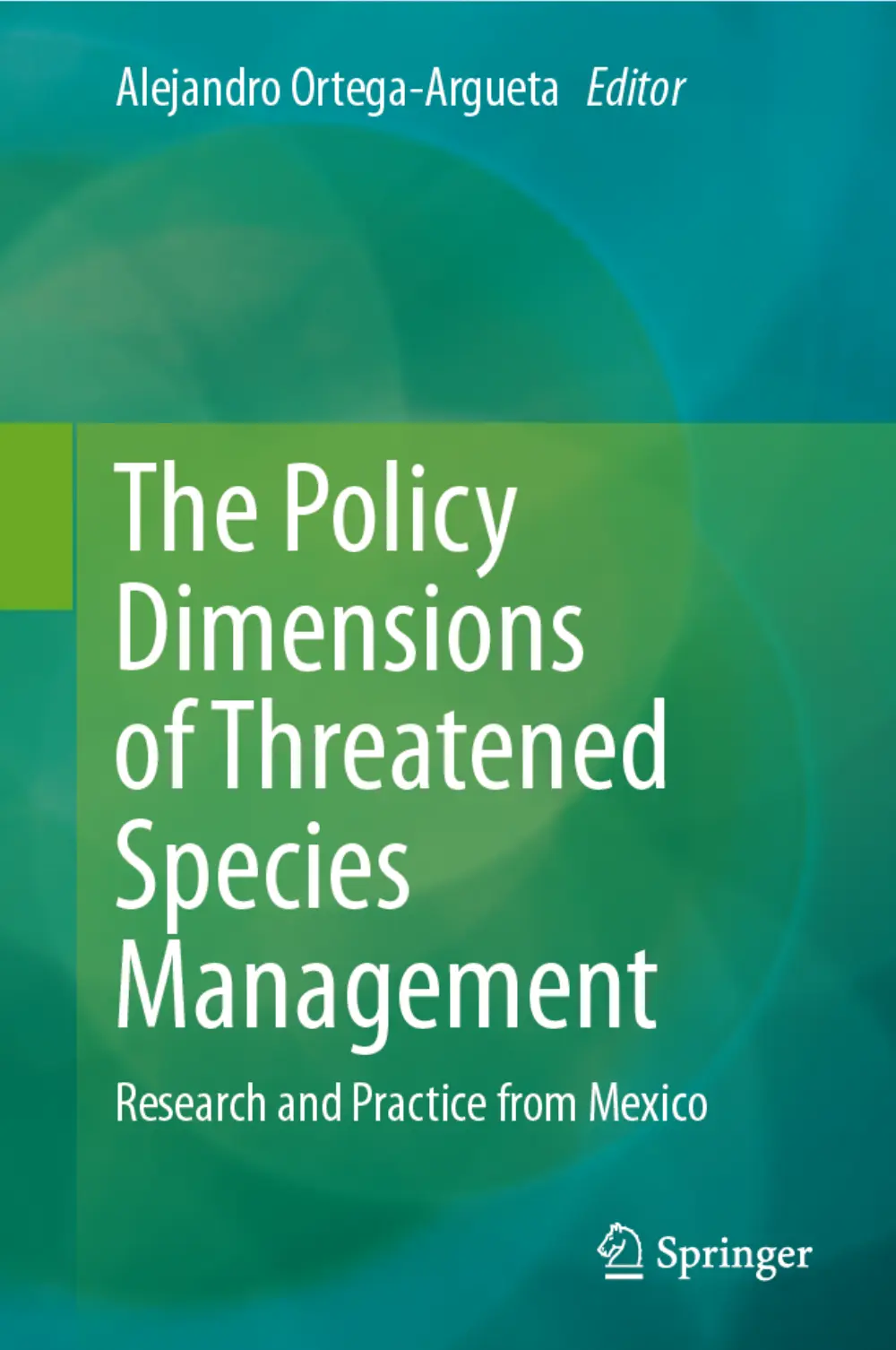
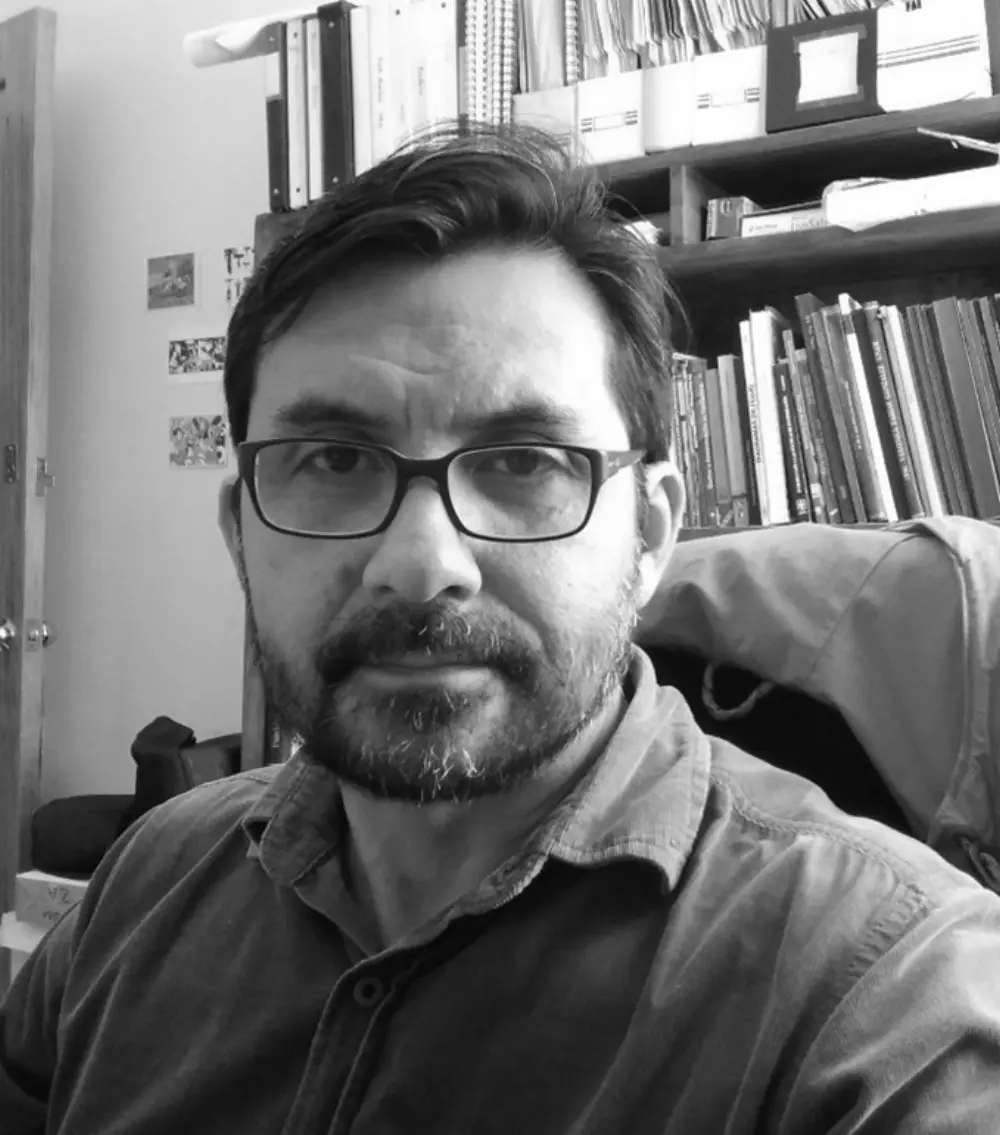
Dr. Alejandro Ortega Argueta
Alejandro Ortega-Argueta. Researcher and professor, based at El Colegio de la Frontera Sur, Chiapas. Bachelors degree in Biology, Universidad Veracruzana, Mexico, 1994. Masters degree in Wildlife Management, Instituto de Ecología, A.C., Mexico, 2000. PhD, University of Queensland, Australia, 2008. He has worked at the Institute of Biological Research and the Center for Tropical Research at Universidad Veracruzana, as well as at the Instituto de Ecología, A.C., Mexico. Since 2013, he has been a tenured researcher at El Colegio de la Frontera Sur. He has more than twenty-five years of experience in biodiversity research and conservation projects. He has undertaken academic stays in Mexico, the United States, Belize, Puerto Rico, Brazil, Australia, and the United Kingdom. He served as secretary of the Technical Advisory Committee for Manatee Conservation in Mexico and is a co-author of the Recovery Program for Manatee Conservation in Mexico in its 2001, 2010, and 2020 versions. He has collaborated with agencies in Mexico, Australia, Belize, Brazil, and the United States. As a researcher, he has contributed to more than 50 publications (articles, chapters, and books in Spanish and English). His areas of expertise include research and participation in the planning, management, and analysis of policies for biodiversity conservation and sustainability. He is a member of the IUCN Conservation Planning Specialist Group. In 2023, he completed an academic residency at the Durrell Institute of Conservation and Ecology, University of Kent, United Kingdom, and currently holds Level II status in the National System of Researchers (SNII).
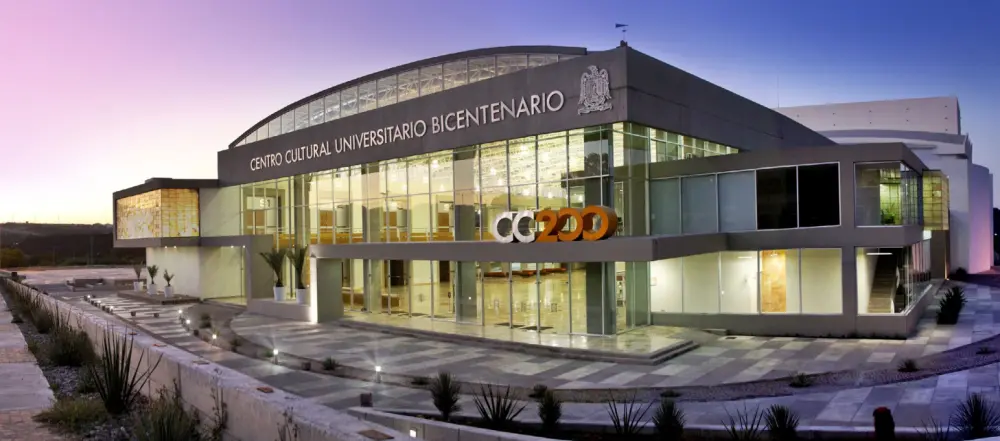


Location
The Bicentennial University Cultural Center is an innovative architectural space that responds to the commitment that the national public university has with the society that nourishes and gives it life.
The Bicentennial University Cultural Center is a cutting-edge space of excellence; always maintaining a leading position in cultural expressions and academia, seeking to promote values for the development of the university environment and society.
550 Sierra Leona Ave, Lomas 3rd Sec, 78210 San Luis Potosi, SLP
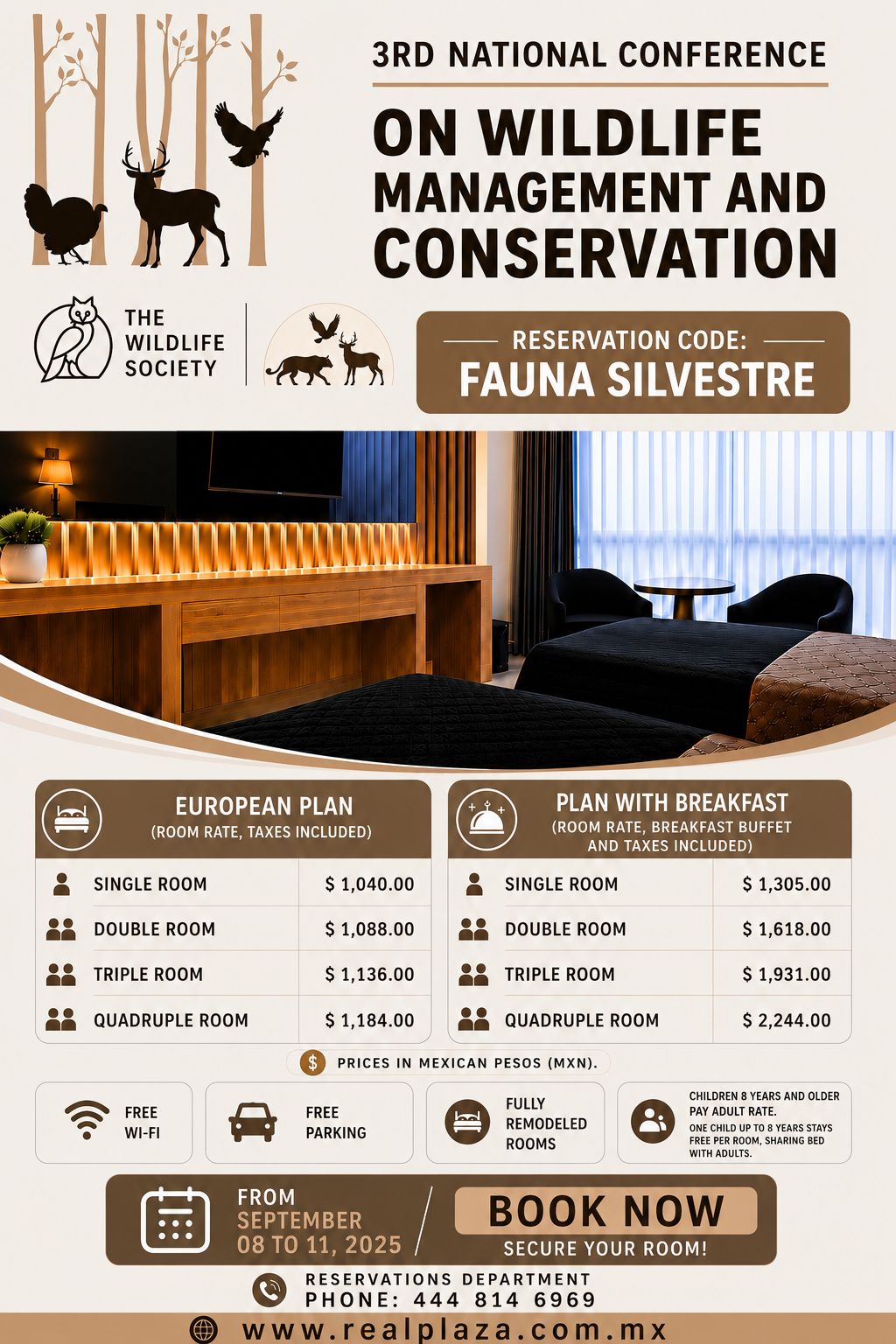
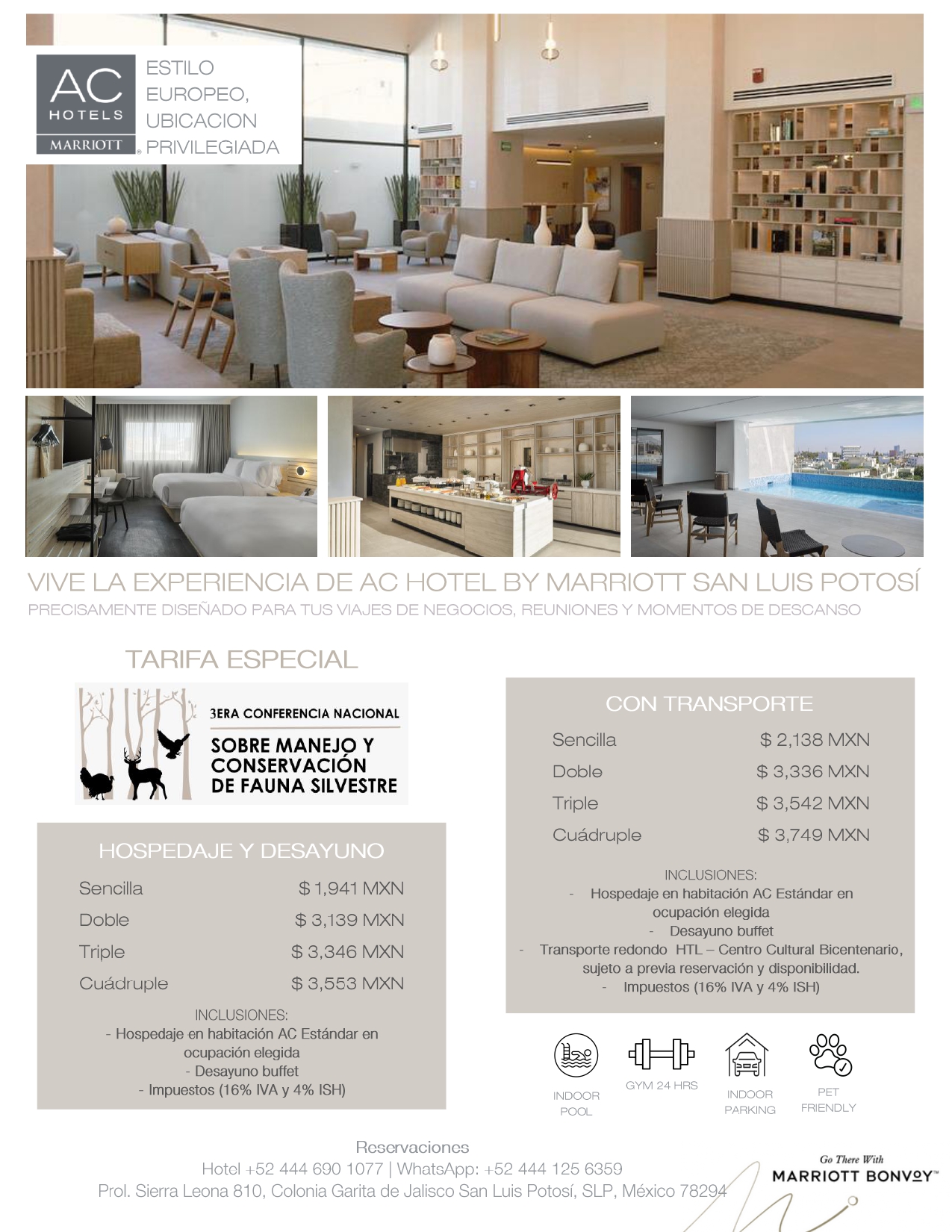
View moreHost Hotel


Sub-Host Hotel

Partner Hotels

Stands
Check availability at the following contact:
M.C. Karla Gisela Logan López Tel. 444 569 2811
Email: klogan@ovis.org.mx
$ 3,000 (Mexican pesos)

REGISTRATION AND CONFERENCE ATTENDANCE-COURSE REGISTRATION-STAND RENTAL
WELCOME!
Complete the information required to formalize your participation in the most relevant academic and research event at the national level on the management and conservation of wildlife.
Early cost-recovery fee
july 1st to August 9th
Student
$ 600
Member of the Mexico Chapter
$ 850
Professional and General Public
$ 1100
Late cost-recovery fee
august 10th to september 9th
Student
$ 700
Member of the Mexico Chapter
$ 950
Professional and General Public
$ 1200
REGISTRATION AND CONFERENCE ATTENDANCE
The recovery fee for registration depends on the date of registration; it can be early or late.
humberto.romero.j@gmail.com, ltarango2321@gmail.com
The following information:- Full name
- Institution
- Email address
- Registration category (student; member of the Mexico Chapter; professional or general public).
- Registration type (Early or late).
- Attach proof of payment (bank deposit or transfer). Students, in addition to attaching proof of payment, must include a photo of their valid identification.
NOTE: Registration and enrollment of foreign participants will take place on September 9.
COURSE REGISTRATION
The recovery fee for any course is $900.00
To inquire about availability, contact Dr. Luis Antonio Tarango Arámbula (ltarango2321@gmail.com)
humberto.romero.j@gmail.com, ltarango2321@gmail.com
The following information:- Full name
- Course name: (A, B or C)
- A) Introduction to systems analysis and simulation in wildlife management.
- B) Identification, predation and wild predators: techniques and field experiences.
- C) Techniques applied to monitoring and estimating wildlife populations.
- Attach proof of payment (bank deposit or transfer).
STAND RENTAL
The cost per stand is $3000.00 Verify availability at the following contact:
M.C. Karla Gisela Logan López (Tel. 444 569 2811 / logankg@hotmail.com)
humberto.romero.j@gmail.com, ltarango2321@gmail.com
The following mandatory information:- Full name
- Institution
- Email address
- Attach proof of payment (bank deposit or transfer).
BANK INFORMATION
BILLING
Payments for recovery fees for your registration in the conference, stand rental, and participation in pre-conference courses must be made individually and independently.
humberto.romero.j@gmail.com, ltarango2321@gmail.com
The following mandatory information:- Company name or legal name
- RFC
- Postal code
- Tax regime
- Use of CFDI (expense concept)
Recovery Fee – Third National Conference on Wildlife Management and Conservation - Registration.
Recovery Fee for the Third National Conference on Wildlife Management and Conservation – Course.
Recovery Fee for the Third National Conference on Wildlife Management and Conservation – Exhibition Stand.